Robots are already yearning to take to the skies, but one airline is trying to keep them grounded.
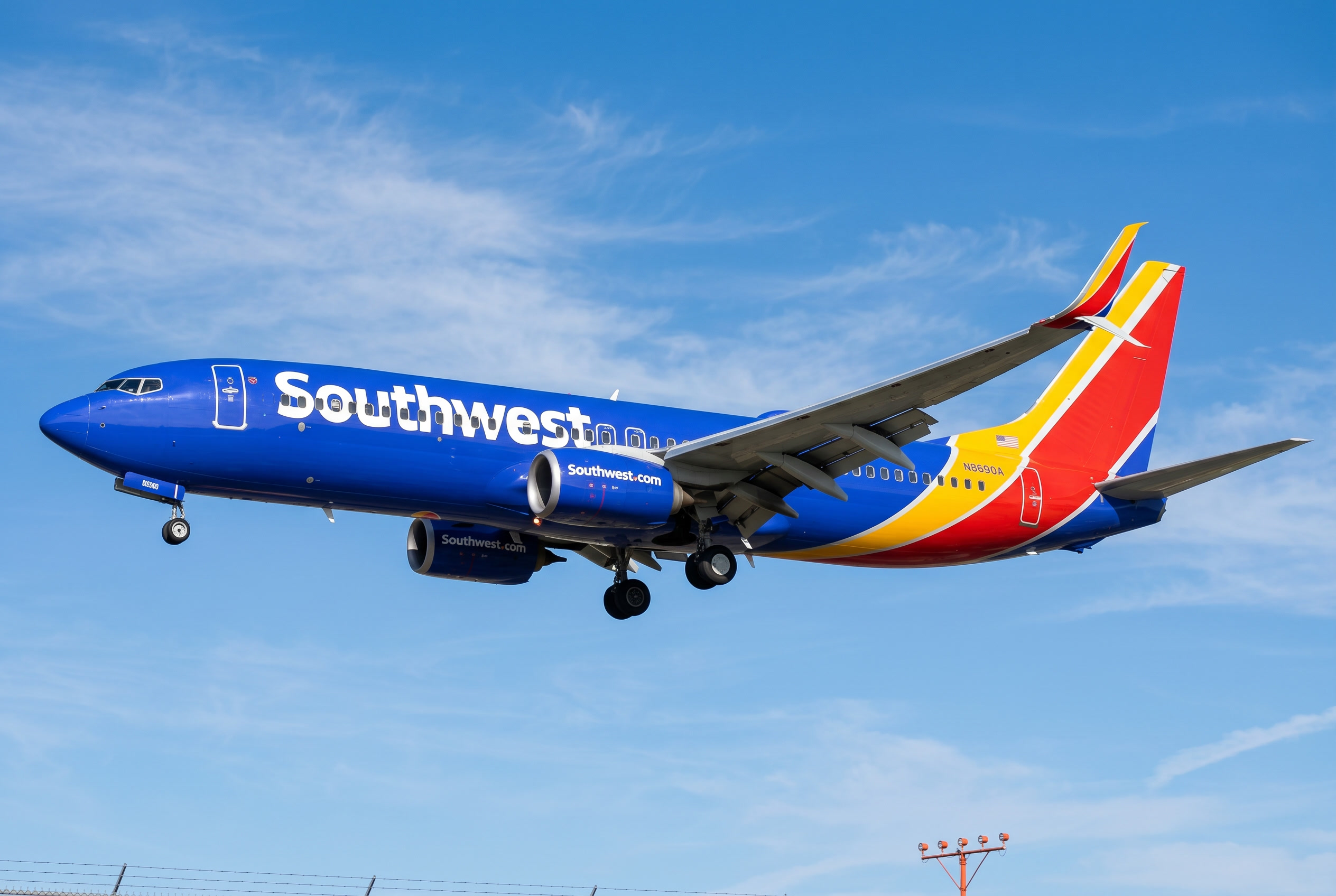
Southwest Airlines has recently updated its travel policy to ban all humanoid and animal-like robots from being transported in checked baggage and seated in the airplane cabin alongside the owners. This policy revision comes after a 3.5-foot humanoid robot nicknamed “Stewie” traveled alongside owner and operator Aaron Mehdizadeh to Dallas, Texas from Las Vegas, Nevada.

“Most people were very excited to see a robot flying and [it] provided so much entertainment,” Mehdizadeh told CBS News Texas. Aaron Mehdizadeh owns the Robot Studio, which rents humanoid robots like Stewie out for parties and events. Stewie had apparently been given a seat in the cabin next to Mehdizadeh, and the robot quipped about how it had “the perfect window seat” in its computerized voice. The other passengers on board the plane admired Stewie, and took selfies with him throughout the flight.
But ultimately, Southwest Airlines officially deemed air travel with a robot to be too dangerous. The lithium-ion batteries used to power Stewie and other digital devices had caused on-board fires in the past, even once causing an emergency landing in San Diego.
“It’s not a battery policy because the battery we used is essentially a laptop battery,” Mehdizadeh defended. Stewie typically used a more powerful battery, but Mehdizadeh had replaced his battery for this flight specifically to comply with flight regulations. Even so, Southwest Airlines has banned humanoid and animal-like robots from flying anymore. When Stewie was asked for a comment on the whole situation, he told CBS News Texas that, “My dreams got clipped faster than a bad haircut.”
According to the new policy, Southwest Airlines defines a “human-like robot” as a robot designed to look like or imitate humans and their behavior, appearance, and/or movement. They define an “animal-like robot” as being a robot built to look like or imitate animals. In addition, they said the restriction applies “regardless of size or purpose.” Mehdizadeh still hopes that Southwest Airlines reconsiders their decision, and one day allows humanoid robots to fly again as long as they align with safety standards.