US travelers are fleeing to international locations in the off-season, in an attempt to beat the heat.
Tired of extreme heat, overcrowding, and high prices, American travelers are shifting toward off-season international travel, prompting airlines and hotels to adjust seasonal schedules and extend European routes.

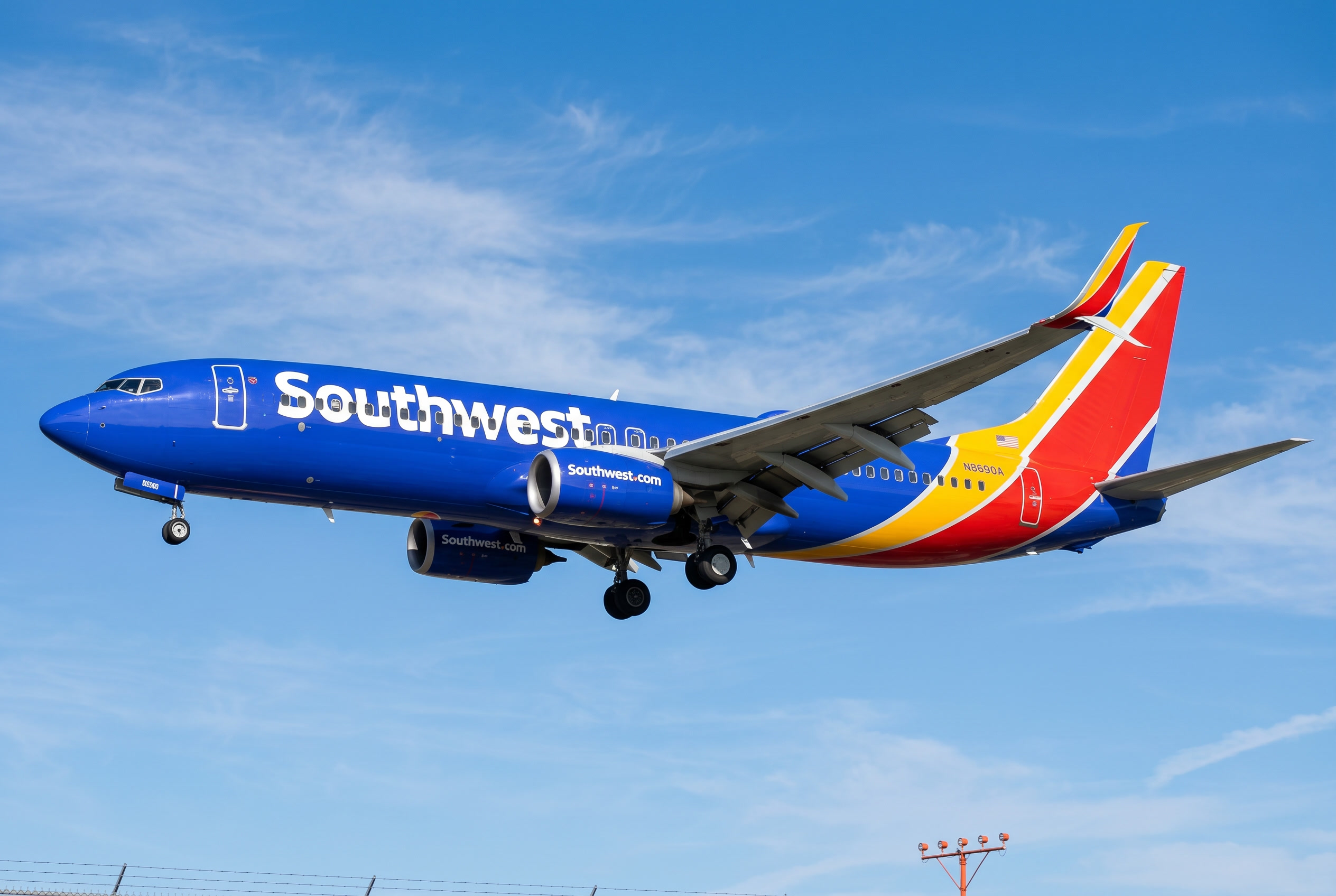
Traditionally constrained to late spring and summer, international flights now stretch deep into the fall and winter months. For instance, Delta’s Minneapolis-to-Rome route will run into January, and United’s Newark-to-Sicily service will end in December.
“It used to be so much lumpier,” said Delta President Peter Carter in a statement to CNBC. “There are so many places you can go in Europe year-round and still have an amazing experience, and that’s why we’re seeing such good demand into Europe.” United Airlines Senior Vice President Patrick Quayle noted, “We’ve seen this massive, what I would call, the creep of the seasons — the shoulder season is blending into the full season.”
This shift is partly fueled by younger demographics with remote work flexibility, and older, wealthier travelers who seek deeper cultural immersion rather than peak summer tourism. Additionally, recent deadly European and US heat waves and widespread local protests against over-tourism in cities like Barcelona and Venice have accelerated this change.
With surging jet fuel costs expected to significantly impact yearly profits, airlines are seizing the opportunity to fill premium seats on these extended, highly profitable routes. The strategy is already paying off, with Delta and United reaching record share prices and American hitting an 18-month high.
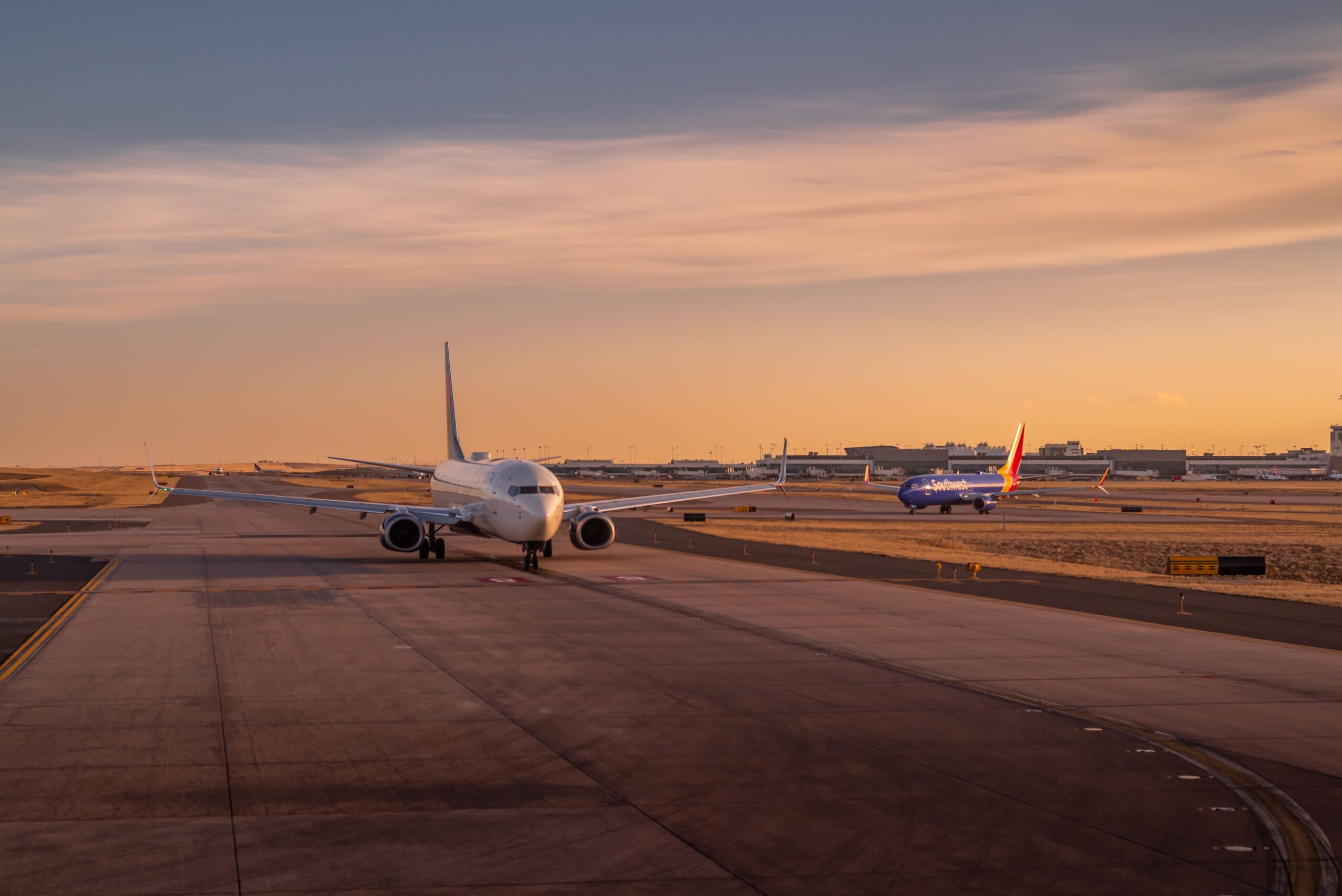
Adjusting to longer operating seasons is also altering logistical planning. Jeff Arinder, Delta’s vice president of international network planning, noted that the carrier is now prioritizing maintenance during the summer to free up aircraft for the fall. “We would never give airplanes to the maintenance hangers, if we could avoid it, in the summertime … because that’s when we made all the money,” Arinder explained. “We are now doing more maintenance in the summertime because we want to save those planes for the fall.”
Hotels are likewise benefiting from this elongated travel calendar. Manager Imelda Shllaku of the Four Seasons’ San Domenico Palace in Taormina, Sicily, reported a “remarkable increase in bookings from US guests” during traditionally quieter months. “High-net-worth travelers are increasingly seeking experiences with genuine cultural currency,” Shllaku said, “and Sicily’s shoulder season is simply better suited to delivering them.”