According to a new analysis by Forbes, the collapse of Spirit Airlines is more than just bad timing or rising fuel costs. The airline’s disappearance from U.S. skies has become an ominous warning sign for the entire ultra-low-cost airline industry, and possibly proof that the old budget airline formula just doesn’t work the way it used to.

Spirit Airlines officially shut down after talks had failed and fuel prices had dramatically increased. The company’s attorney, Marshall Huebner, told the bankruptcy court that high jet fuel prices tied to instability around the Strait of Hormuz left the airline with “no remaining way out” of bankruptcy. Politics then quickly entered the conversation. U.S. Transportation Secretary Sean Duffy blamed the previous administration for blocking the proposed merger between JetBlue and Spirit back in 2024, arguing the deal could have saved both airlines.
But according to Forbes, the real problem may have been much deeper than politics, fuel prices, or even bankruptcy itself. The low-cost airline business has been changing dramatically.
Spirit Airlines had built its entire business model around one simple idea: cram as many seats as possible onto giant narrowbody jets, keep fares unbelievably cheap, then make money through baggage fees, seat assignments, and onboard extras. This model used to work well, but now doesn’t, as industry analyst Courtney Miller of Visual Approach Analytics explained, airlines kept chasing lower “cost per seat” numbers by flying larger and larger aircraft, especially Airbus A320-family jets. Large planes only really make money when they’re nearly full, and that became the problem for Spirit.
There are not enough routes left where 240-seat aircraft consistently make sense. “Once consistently profitable, ultra-low-cost airlines are now dealing with market saturation from prior years of growth while being limited to the largest aircraft available to sustain that much-needed growth,” Miller wrote in his analysis.
In other words, budget airlines may have literally outgrown the markets they were built to serve. Spirit Airlines leaned too heavily into large Airbus aircraft. That strategy lowered seat costs, but it also raised overall trip costs. Half-full planes still burn enormous amounts of fuel, require large crews, and carry massive operating expenses whether passengers show up or not.
Then the cost of fuel exploded. Spirit Airlines’ restructuring plan reportedly assumed jet fuel would cost around $2.24 per gallon. Prices surged past $4 per gallon after escalating tensions involving Iran disrupted oil markets. For an airline operating on razor-thin margins, that was devastating to Spirit Airlines. The airline tried shrinking itself. Routes were cut, and the fleet reportedly dropped to about 76 planes as Spirit attempted to focus only on higher-revenue flying. By then, it was too late.
According to Forbes, one lesson from Spirit Airlines’ downfall is that smaller aircraft could actually become the future of low-cost flying again. Smaller jets cost more per seat, but they can still turn a profit on routes where giant aircraft are unable to because they simply don’t need as many passengers to break even.
Breeze Airways, a new airline founded by JetBlue creator David Neeleman, is now being closely watched. Instead of focusing on very large, crowded planes, Breeze Airways has been building a network around smaller aircraft like the Airbus A220 and Embraer 190, connecting underserved city pairs that larger airlines often ignore.
“A lot of it is overflying hubs,” Neeleman said in a 2020 interview with CrankyFlier. “If we lower the fare by half and can get them there twice as fast… people will go more often, and that’s been proven over and over again.”
Breeze Airways has already started moving into some of Spirit Airlines former markets, including Atlantic City, where Spirit had once been the dominant airline.
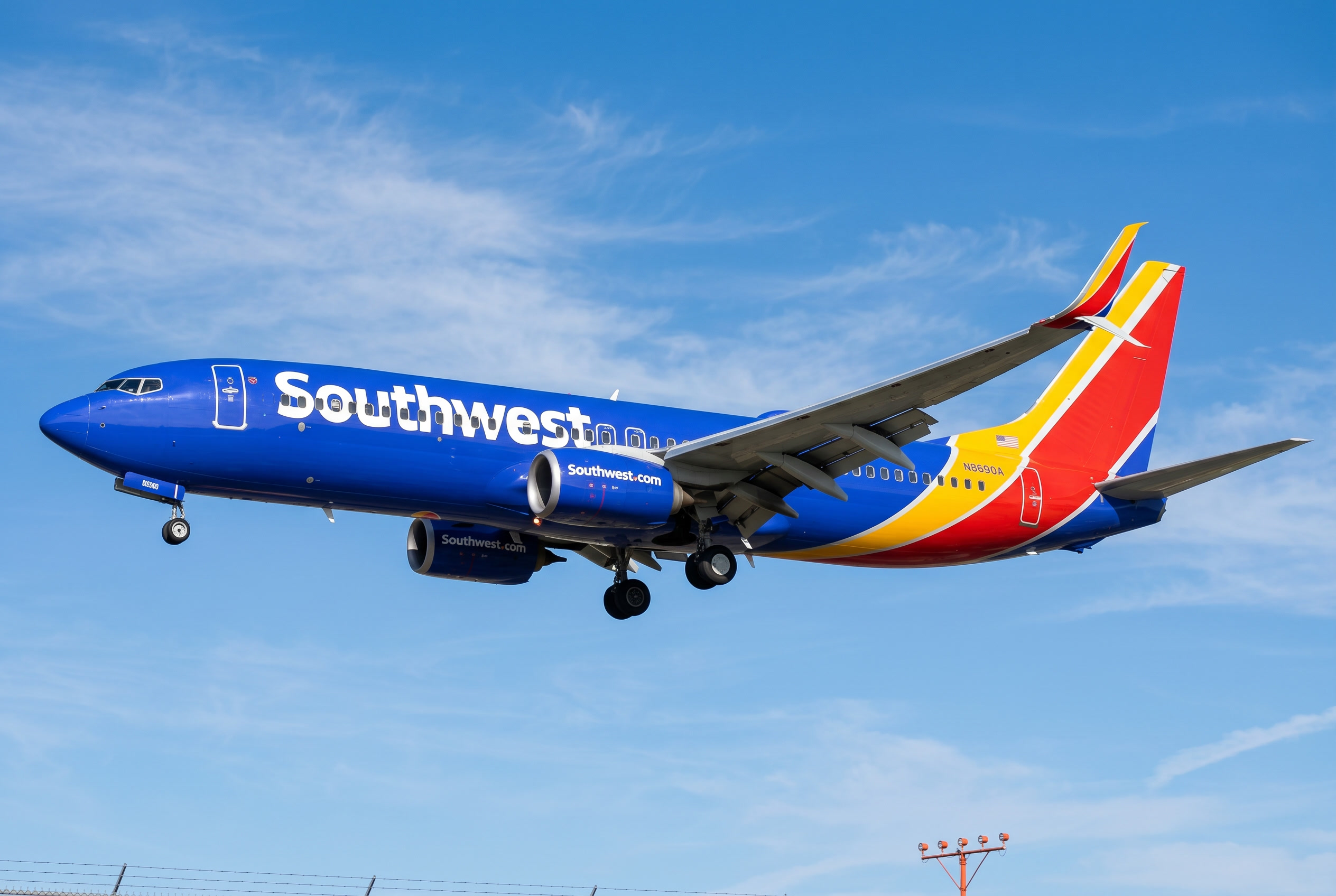
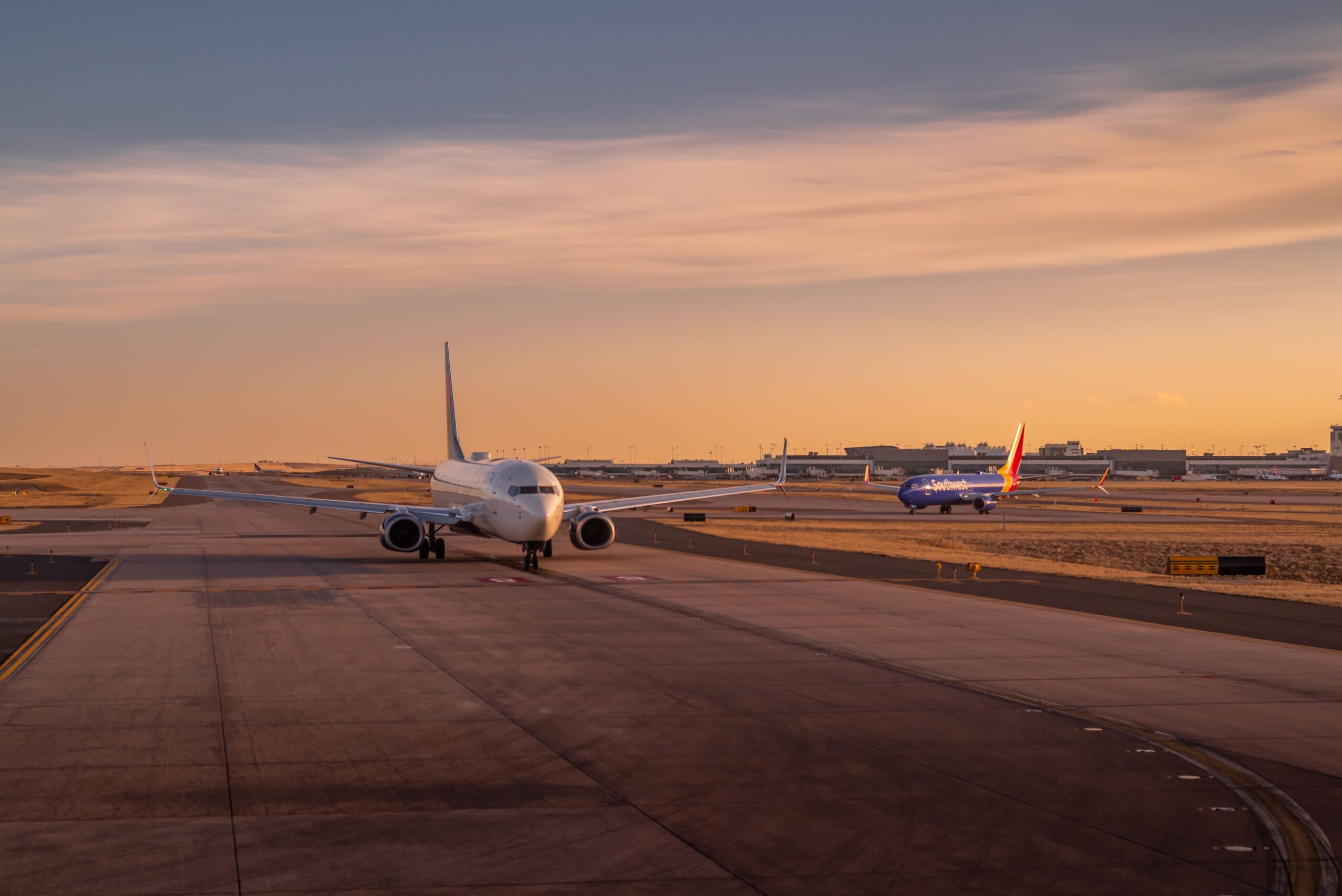
Southwest Airlines is dealing with similar problems and has spent years waiting for Boeing’s smaller 737 MAX 7 aircraft so it can operate more efficiently on thinner routes. Delays in the delivery of aircraft have forced Southwest to use larger jets that cost more to operate, pushing the airline to introduce assigned seating, premium seating, and baggage fees.
The takeaway from Spirit’s collapse is that, possibly, the ultra-cheap airline model is not completely dead. But the era of increasingly bigger planes, squeezing in more seats, and relying on nonstop growth may finally be over.