A 35-year-old man was killed Saturday morning while spearfishing with family off Michaelmas Island, near the port city of Albany in Western Australia, the third fatal shark attack in the country in under a month, according to police.

The man was attacked before noon local time and brought by boat back to Albany, where paramedics were waiting. He couldn’t be revived. Authorities suspect a 15-foot white shark was responsible. Daniel Turpin was later identified.
His family has described his deep respect for the ocean while thanking those who came to his aid. Saying he was “an adored husband, son, brother and uncle who had a lifelong love and deep respect for the ocean”. “Our family is devastated by this tragic loss and we are still coming to terms with what has happened.” “Daniel brought enormous joy to the lives of those who knew and loved him, and he will be deeply missed.” “We would like to thank the emergency services personnel and all those who have offered their support and compassion during this incredibly difficult time.”
WA Fisheries Minister Jackie Jarvis offered her “heartfelt condolences” to Mr Turpin’s family and friends.
Gregory Sharp, a commercial fisherman in the area, told the Australian Broadcasting Corporation that shark activity in the region has picked up. “We do see an increase in larger sharks this time of the year, particularly chasing the sardine and the salmon along the coast, which is quite normal,” he said.
Australia typically sees around three shark-related deaths per year over recent decades, making three fatalities within four weeks an extraordinary stretch.
Despite the recent attacks, Jarvis said there was nothing to suggest there is increased shark activity off the state’s coast, despite the recent fatalities.
Ms Jarvis described the deaths as a tragedy, but defended WA as having “one of the best shark hazard mitigation strategies in the world”. “There is certainly no data or information that suggests there is increased shark activity any different from other years,” she said
The previous death came on May 24, when 39-year-old Michael Jensz was spearfishing on the Great Barrier Reef off Australia’s northeast coast and suffered what were described as unsurvivable head injuries. Bull sharks had been seen in the area. Rob Parsonage, a boat charter operator whose vessel was nearby at the time, said “the sharks are competing with the fishermen.”
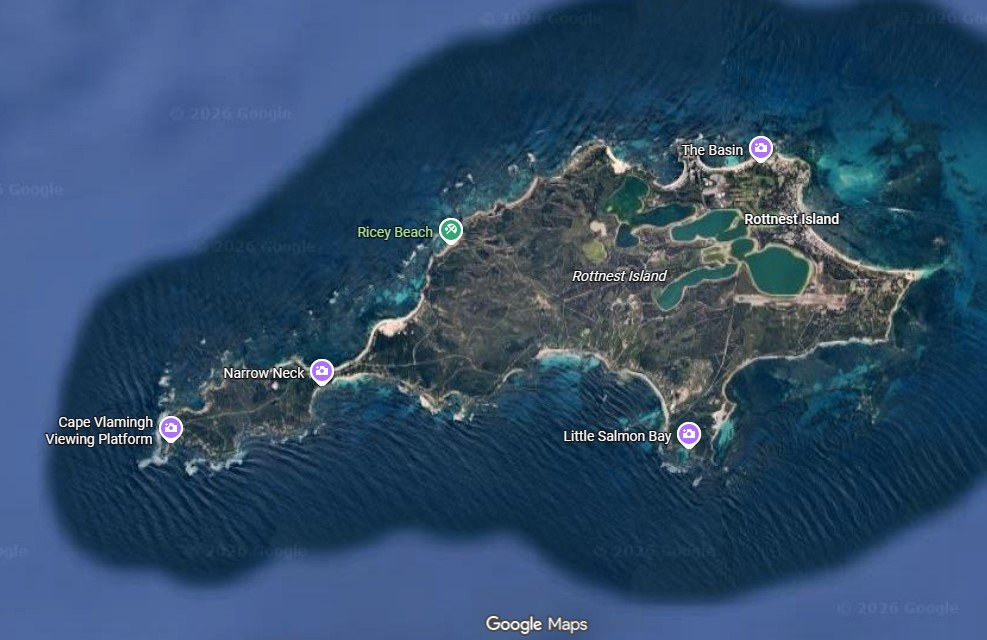
A week before that, on May 16, Steve Mattabonni, 38, was fatally mauled by a 13-foot white shark near Rottnest Island, northwest of Albany. The attack was witnessed by his friends, who tried to save him, according to Western Australia Police Sgt. Michael Wear. Mattabonni had been bitten on the legs and could not be resuscitated. His wife, Shirene, later told the Australian Broadcasting Corporation that he had two young children, and that the family’s “hearts are irrevocably broken.”
Earlier in the year, in January, a 12-year-old boy named Nico Antic died in a hospital days after being mauled by a bull shark in Sydney Harbor.
Australian scientists believe that increasingly crowded waters and rising ocean temperatures are shifting sharks’ migratory patterns, which may be contributing to a broader uptick in attacks. The International Shark Attack File, a global database maintained by the University of Florida, has recorded more than 1,280 shark incidents in Australian waters since 1791 — more than 250 of them fatal.